
A lot of buyers think the deal breaks the moment they hear they need cash for a down payment. That is exactly why zero down payment mortgage programs matter. For many working families, the biggest obstacle to buying a home is not the monthly payment – it is coming up with thousands of dollars before they ever get the keys.
The good news is that true zero-down options do exist. The catch is that they are not open to everyone, and they are not always the cheapest path just because the upfront down payment is $0. The right program depends on your income, military status, property location, credit profile, and how much room you have in your budget for closing costs and monthly payments.
What zero down payment mortgage programs actually are
Zero down payment mortgage programs let qualified buyers finance 100% of the home purchase price instead of making a traditional down payment. In plain terms, you may be able to buy a home without bringing a percentage of the price out of pocket for the down payment itself.
That said, zero down does not always mean zero cash needed at closing. You may still have closing costs, prepaid taxes, homeowners insurance, appraisal fees, and other charges. In some cases, a seller credit, lender credit, or gift funds can help with those expenses. In others, you need some money saved even if the loan itself requires no down payment.
This is where many buyers get tripped up. They hear zero down and assume no out-of-pocket costs at all. A good loan advisor will slow that conversation down and show the full picture before you make an offer.
The two main zero down payment mortgage programs
For most buyers, the real zero-down choices come down to VA and USDA loans.
VA loans
VA loans are designed for eligible veterans, active-duty service members, and certain surviving spouses. If you qualify, this is often one of the strongest mortgage options available.
VA financing allows eligible borrowers to purchase with no down payment, and it does not require monthly mortgage insurance. That can make a meaningful difference in your payment compared with other low-down-payment loan types. Credit standards can also be more flexible than many buyers expect, although lender guidelines still apply.
The trade-off is that VA eligibility is earned, not open to the general public. There is also a VA funding fee in many cases, though some borrowers are exempt. Depending on your situation, that fee can be financed into the loan rather than paid upfront.
For buyers who qualify, a VA loan is often worth serious attention because it combines low upfront cash requirements with competitive terms. But it still needs to fit your income, debts, and target property.
USDA loans
USDA loans are another major option for zero down payment mortgage programs. These loans are intended to support homeownership in eligible rural and some suburban areas.
The word rural throws people off all the time. Many areas that are not farmland still qualify. Small towns, outer suburbs, and certain growing communities may fall within USDA eligibility maps. Buyers are often surprised to learn that a property outside a major city can meet the location requirement.
USDA loans also come with household income limits, and the property must be a primary residence. There is an upfront guarantee fee and an annual fee, which function somewhat like mortgage insurance, but the program still remains one of the most practical paths for buyers who have steady income and limited savings.
If your job is stable and you are open to buying in an eligible area, USDA can be a strong fit. It is especially helpful for first-time buyers who are payment-sensitive and need low upfront cash requirements.
Are there other ways to buy with no down payment?
Sometimes, yes – but they are not always standalone national programs.
Some buyers use down payment assistance programs that cover the down payment through grants or second loans. In practical terms, that can create a near-zero-down or true zero-down outcome even with a loan that normally requires money down. These programs vary by state, county, city, employer, and borrower income.
Certain credit unions and local lenders may also offer special 100% financing programs for qualified borrowers. Those can be useful, but they tend to be narrower in scope and may have stricter requirements, limited availability, or higher rates.
This is where guidance matters. A borrower may not qualify for a national zero-down option but could still have a realistic path through a layered strategy that combines the right mortgage product with assistance funds.
Who usually qualifies for zero-down financing
Approval is never based on one factor alone. Lenders look at the full file.
Income matters because you need to show you can comfortably handle the payment, taxes, insurance, and existing debts. Credit matters too, but not always in the way people fear. A perfect score is not required. What matters more is whether your credit profile shows reasonable repayment behavior, manageable obligations, and no major unresolved issues.
Employment history is another key piece. Blue-collar workers, hourly employees, self-employed borrowers, and commission earners can all qualify, but the income has to be documented properly. If your pay varies, the lender may average your earnings over time. If you recently changed jobs, that does not automatically disqualify you, but it may need explanation.
Property eligibility can be just as important as borrower eligibility. For USDA, the location has to qualify. For VA, the borrower has to qualify and the home must meet minimum property standards. No-down-payment financing is not just about you – it is also about the home.
The real costs buyers should expect
Even with zero-down financing, you should still plan for some expenses.
Closing costs can include lender fees, title charges, escrow fees, appraisal, prepaid taxes, and homeowners insurance. If you are buying in Texas or California, those costs can vary based on the county, price point, and property taxes. In some cases, the seller may help cover part of them. In others, the lender may structure a credit in exchange for a higher rate.
Your monthly payment also deserves close attention. With no down payment, you are financing more of the purchase price, which means a larger loan amount. That can increase your monthly principal and interest payment. If home values soften or you need to sell quickly, having little or no equity at the start can also limit your flexibility.
None of that means zero down is a bad idea. It means the smartest move is to compare the upfront savings against the long-term cost.
When zero down makes sense – and when it may not
Zero down can make excellent sense for buyers with stable income who can afford the payment but have not had time to build substantial savings. It can also be a smart move when home prices are rising faster than your ability to save a large down payment.
On the other hand, if using zero-down financing leaves you with a payment that feels tight every month, that is a warning sign. The goal is not just to buy the home. The goal is to keep it comfortably.
Some buyers are better served by waiting a little longer, improving credit, paying down debt, or combining a low-down-payment loan with assistance funds instead of stretching to 100% financing. A smaller upfront hurdle is helpful, but not if it creates stress after closing.
How to prepare before applying for zero down payment mortgage programs
Start by reviewing your income, monthly debt, and credit profile honestly. If your credit score is lower than you hoped, do not assume you are out. It may still be workable, or there may be a short-term plan to improve your position.
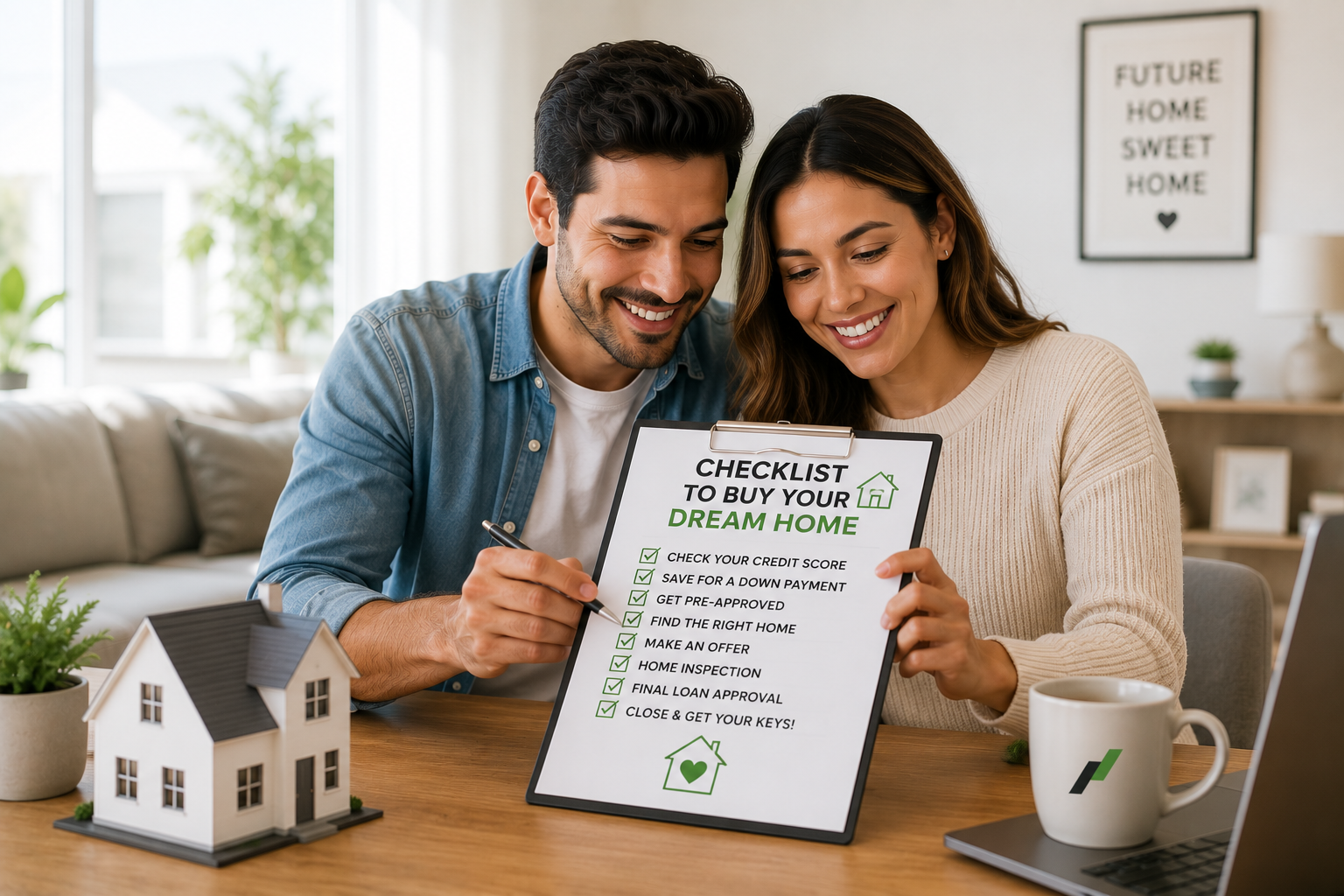
Next, gather the basics: pay stubs, W-2s or tax returns, bank statements, ID, and any documents tied to additional income or assets. If you are applying for a VA loan, be ready to document eligibility. If USDA might be an option, think about where you want to buy and whether the area may qualify.
Most important, get pre-reviewed before house hunting seriously. A real conversation with a mortgage professional can tell you whether you fit a true zero-down option, whether assistance may help, and what payment range makes sense for your life. That is often where borrowers stop guessing and start making confident decisions.
At First Nation Financial Corporation, that is the part we take seriously – not just getting you an answer, but helping you understand which answer actually works for you.
If you are trying to buy a home without a large savings cushion, do not count yourself out too early. The right loan structure can change what is possible, and a clear plan can make the path feel a lot less heavy.