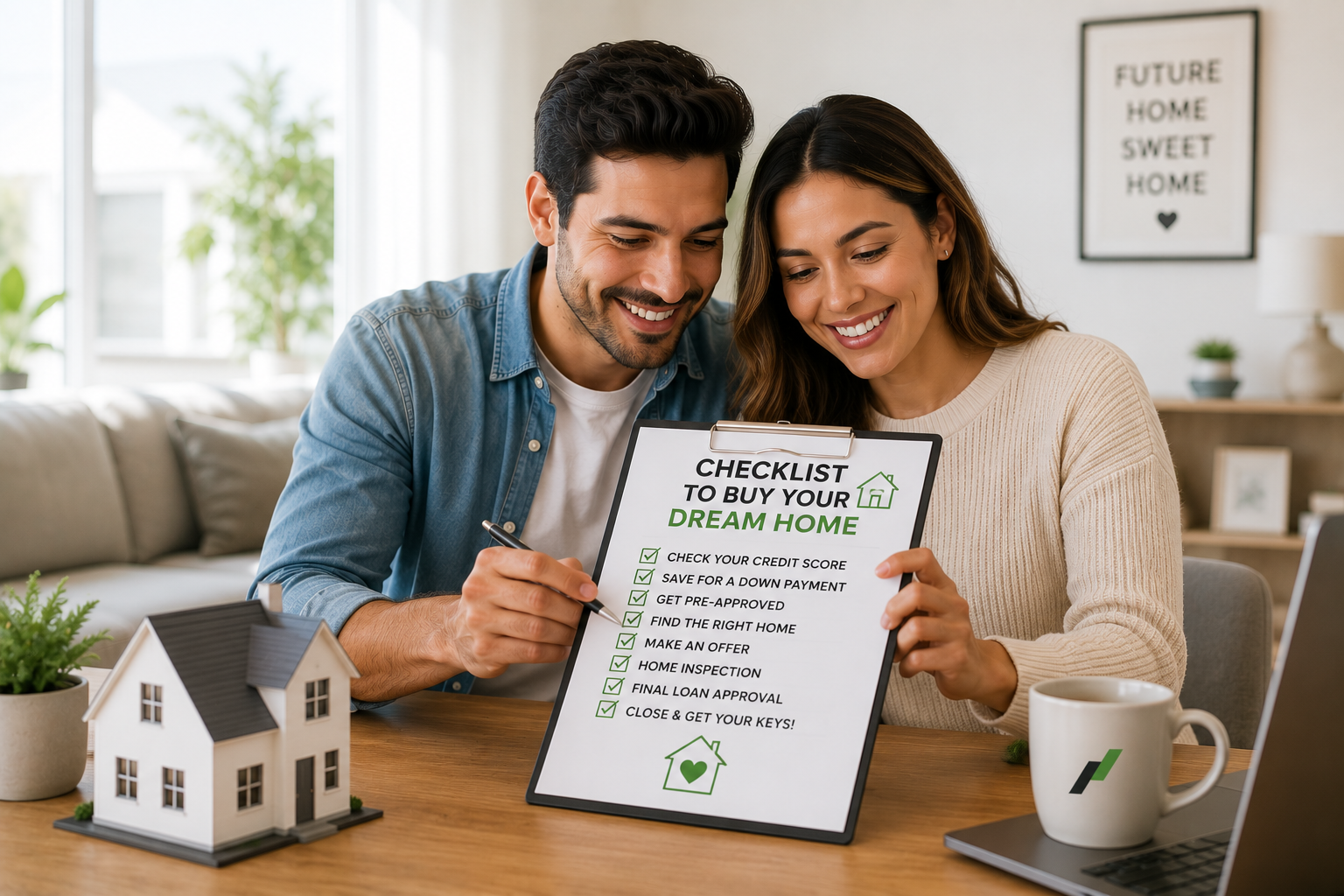

Saving $40,000 or $60,000 for a home down payment is where many buyers get stuck. They may have steady income, manageable monthly bills, and a real reason to buy, but the cash needed upfront feels out of reach. That is exactly why many people ask, what is a low down payment mortgage, and whether it could make homeownership possible sooner.
A low down payment mortgage is a home loan that lets you buy a property with less money upfront than a traditional 20% down payment. Depending on the loan program, you may be able to put down as little as 0%, 3%, 3.5%, or 5%. The trade-off is that a smaller down payment usually means a higher loan balance, a higher monthly payment, and in many cases some form of mortgage insurance.
That does not automatically make it a bad deal. For many working families, it is the practical path to buying a home without waiting years to save a large lump sum while home prices and rent keep climbing.
What is a low down payment mortgage and how does it work?
At its core, this type of mortgage lowers the amount of cash you need at closing for the down payment itself. If you buy a $300,000 home and put 20% down, you would need $60,000 before closing costs. If you put 3.5% down, that down payment falls to $10,500. That difference can completely change whether buying is realistic.
The lender covers the rest of the purchase price through the mortgage. Because you are borrowing more, the lender takes on more risk. To balance that risk, low down payment programs may require mortgage insurance, stricter property standards, or specific borrower qualifications.
This is where many buyers get confused. A low down payment does not mean low total cash in every case. You still need to plan for closing costs, prepaid taxes and insurance, earnest money, inspections, and moving expenses. Some buyers qualify for seller credits, gift funds, or down payment assistance, but those details depend on the loan program and the transaction.
Common low down payment mortgage options
There is no single low down payment loan. There are several, and each serves a different type of borrower.
FHA loans
FHA loans are one of the best-known options for buyers with limited savings or less-than-perfect credit. The minimum down payment can be 3.5% for borrowers who meet credit requirements. FHA loans are popular with first-time buyers because qualification can be more flexible than some conventional loans.
The trade-off is mortgage insurance. FHA loans typically include both an upfront mortgage insurance premium and a monthly mortgage insurance payment. That can make the monthly cost higher than expected, even if the upfront down payment is manageable.
Conventional low down payment loans
Many buyers assume conventional loans require 20% down, but that is not true. Some conventional programs allow as little as 3% or 5% down for qualified borrowers. These loans can be a strong option for buyers with solid credit and stable income.
One advantage is that private mortgage insurance on a conventional loan may be removed later once enough equity is built, depending on the loan terms. In some cases, that can make conventional financing more cost-effective over time than FHA.
VA loans
VA loans are available to eligible veterans, active-duty service members, and certain surviving spouses. These loans can offer 0% down payment, which is a major benefit for qualified borrowers.
They also tend to have competitive rates and no monthly mortgage insurance. However, eligibility rules apply, and some borrowers will pay a VA funding fee unless exempt.
USDA loans
USDA loans can also offer 0% down, but they are designed for eligible rural and certain suburban areas, not every location. Income limits apply, and the property must meet USDA guidelines.
For buyers in qualifying areas, USDA financing can be one of the most affordable paths to homeownership. The challenge is that not every property or borrower will fit the program.
Who benefits most from a low down payment mortgage?
A low down payment mortgage often makes sense for first-time buyers, middle-income households, and borrowers with reliable income but limited savings. That includes many blue-collar workers, self-supporting families, and people who are paying high rent while trying to build a future.
It can also help buyers who want to keep some savings in the bank instead of draining every dollar into the purchase. That matters more than many people realize. Owning a home comes with maintenance, repairs, utility setup costs, and the normal surprises of life. Putting every cent into the down payment can leave a buyer financially exposed right after closing.
That said, a low down payment mortgage is not automatically the best fit for everyone. If you have enough cash for a larger down payment and want to lower your monthly payment, reduce interest costs, and avoid mortgage insurance, putting more down may still be the stronger move.
The biggest advantages
The most obvious advantage is faster access to homeownership. Instead of spending years chasing a 20% down payment while prices rise, buyers may be able to purchase much sooner.
Another benefit is preserving cash. A smaller down payment can leave room for emergency savings, home repairs, or debt payoff. For households trying to stay financially stable, that flexibility matters.
Low down payment mortgages can also open doors for buyers who have been told no elsewhere simply because they assumed they needed too much cash upfront. With the right loan structure, many borrowers are more qualified than they think.
The trade-offs you should understand
Smaller down payments come with real costs, and you should go into the process with clear expectations.
First, your monthly payment is usually higher because you are borrowing more. Second, mortgage insurance can add to the monthly expense. Third, you may pay more interest over the life of the loan because your starting balance is larger.
There is also the issue of equity. With a smaller down payment, you begin ownership with less cushion. If home values dip or you need to sell sooner than planned, that can matter. Buyers who expect to move quickly should pay close attention to this.
None of this means you should avoid a low down payment mortgage. It simply means the right question is not, Can I buy with less down? The better question is, Will the full monthly payment still fit my budget comfortably?
What lenders look at besides the down payment
The down payment is only one piece of mortgage approval. Lenders also look at credit score, debt-to-income ratio, employment history, income stability, bank statements, and the property itself.
A buyer with 3.5% down and strong credit may have better loan options than a buyer with 10% down and major credit issues. That is why mortgage planning should be based on the full picture, not just one number.
This is also where guidance matters. A good mortgage advisor does more than quote rates. They help you understand which loan program fits your income, your savings, your credit profile, and your long-term goals. For borrowers who have felt overlooked or rushed by bigger institutions, that hands-on support can make a real difference.
How to know if this option is right for you
If you are considering a low down payment mortgage, start with your payment comfort zone, not the maximum amount a lender says you can borrow. Look at the projected mortgage payment along with taxes, insurance, mortgage insurance if applicable, HOA dues, and your other monthly obligations.
Then look at your cash position after closing. Will you still have reserves? Can you handle an unexpected car repair, medical bill, or home fix? Buying a home should move you forward, not leave you one emergency away from financial stress.
It also helps to compare more than one program. An FHA loan might be easier to qualify for, while a conventional 3% down option might cost less over time if your credit is strong. A VA or USDA loan may be the clear winner if you qualify. The best answer depends on your numbers.
At First Nation Financial Corporation, this is where personal guidance matters most. The goal is not to push one loan. It is to match you with a mortgage that fits your life and gives you a realistic path to ownership.
A low down payment mortgage is not a shortcut. It is a legitimate financing tool that helps many buyers get into a home without waiting for perfect conditions that may never come. If the payment works, the program fits, and you still have room to breathe financially after closing, buying with less down can be a smart move, not a risky one.