
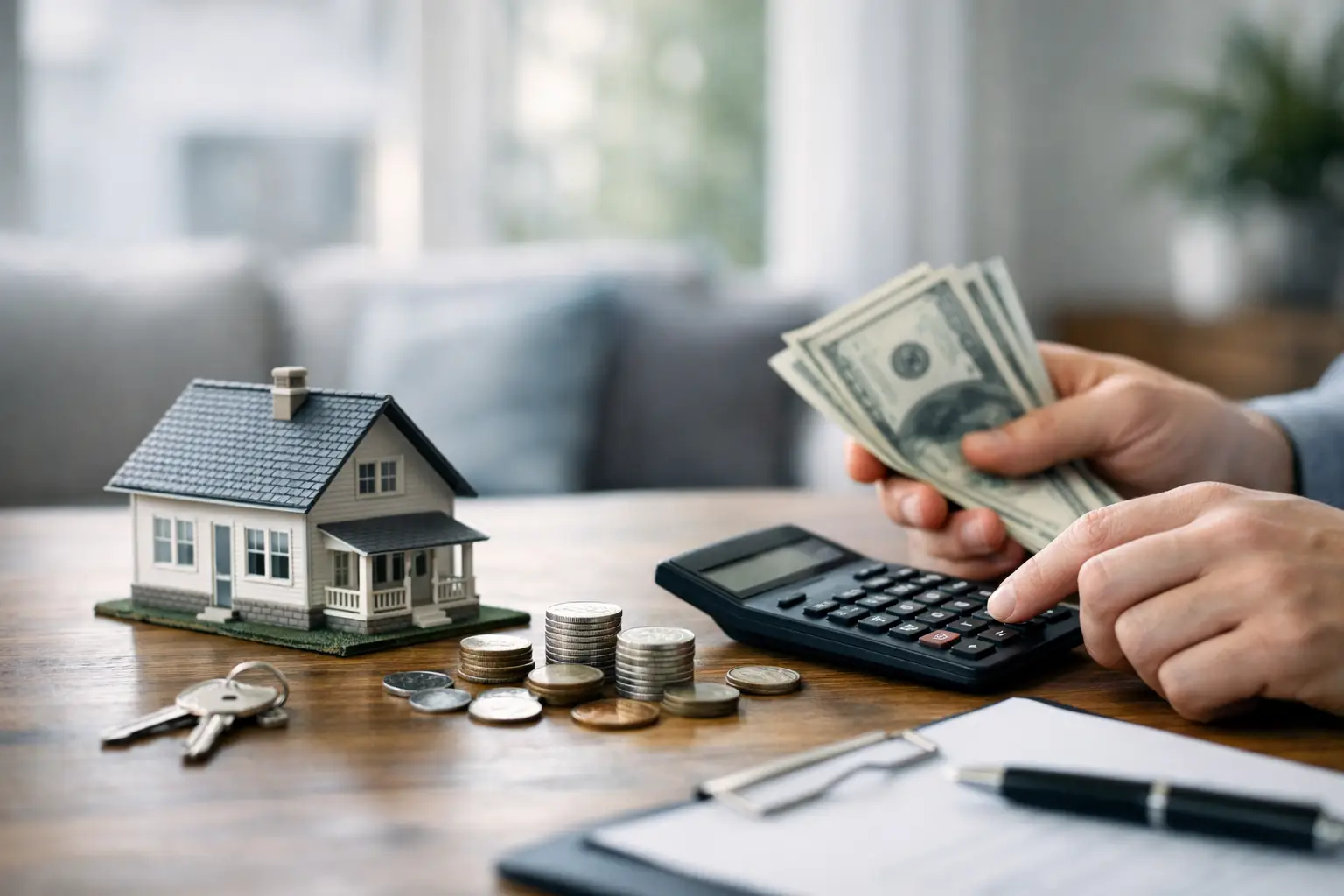
Sticker shock usually hits fast. A home that looked manageable online can feel very different once you add taxes, insurance, and today’s interest rates. If you’re asking how much house can I afford, the right answer is not just what a lender might approve. It’s what fits your life without turning every month into a financial squeeze.
That distinction matters, especially for first-time buyers, working families, and borrowers trying to make smart use of a limited down payment. Approval amount and comfortable payment are not always the same number. A strong homebuying decision starts by understanding both.
How much house can I afford based on my payment?
The most useful place to start is not the home price. It’s the monthly payment you can carry with confidence. That payment usually includes principal, interest, property taxes, homeowners insurance, and if required, mortgage insurance or HOA dues.
Many buyers focus on the advertised sale price and forget that two homes with the same price can have very different monthly costs. A house in one county may come with higher taxes. A condo may add a sizable HOA fee. A low down payment loan may require mortgage insurance. Those details can shift affordability more than buyers expect.
A practical rule is to work backward from your monthly budget. Look at your take-home pay, current debts, utilities, groceries, fuel, childcare, and savings goals. Then decide what housing payment still leaves room to breathe. If buying a home means giving up your emergency fund or relying on overtime every month, the payment is probably too high even if you technically qualify.
What lenders use to decide how much house you can afford
When a lender reviews your file, they are looking at more than income alone. They want to know whether the new mortgage payment fits alongside your current financial obligations.
Debt-to-income ratio matters more than most buyers think
Your debt-to-income ratio, often called DTI, compares your monthly debt payments to your gross monthly income. This can include car loans, student loans, credit card minimum payments, personal loans, and the proposed housing payment.
Different loan programs allow different DTI limits. FHA loans are often more flexible than conventional loans, and VA loans can be especially helpful for eligible borrowers. But flexibility does not mean every high-DTI borrower should stretch to the limit. The higher your DTI, the less room you have for repairs, price increases, or unexpected expenses.
Your down payment changes the picture
A larger down payment can lower your loan amount and monthly payment. It may also help you qualify more easily. But many buyers wait too long because they think they need 20 percent down. In reality, there are loan options with much lower down payment requirements.
That said, low down payment programs come with trade-offs. You may pay mortgage insurance, and your monthly payment may be higher than if you had put more down. For many buyers, though, getting into a home sooner with a manageable payment is better than spending years trying to hit an ideal number.
Credit score affects your rate and buying power
Your credit score can influence both approval and interest rate. A stronger score may help you secure a lower rate, which can increase how much home you can reasonably afford. A lower score does not automatically shut the door, but it can mean a higher payment for the same home price.
This is one reason two buyers with the same income may have very different affordability ranges. Credit profile, debt load, and loan type all matter.
The monthly costs buyers forget
If you want an honest answer to how much house can I afford, include the costs that show up after closing.
Maintenance is a big one. Even a well-kept home needs attention. Water heaters fail. Roofs age. Appliances quit at inconvenient times. If buying leaves you with nothing in reserve, a single repair can become a serious problem.
Utilities can also rise when you move from an apartment to a house. Heating, cooling, water, trash, and lawn care may all increase. Commuting costs matter too. A cheaper home farther out may save money on price but cost more in gas, tolls, and time.
Closing costs are another piece buyers sometimes miss. Even if your down payment is low, you may still need funds for lender fees, title charges, prepaid taxes, and insurance. In some cases, seller credits or program options can help, but they should still be part of the planning conversation from the start.
How to estimate your affordable price range
A smart affordability estimate starts with a few simple numbers. First, calculate your gross monthly income before taxes. Then add up your monthly debt obligations that show on your credit report. After that, determine how much cash you can realistically use for down payment and closing costs while keeping some emergency savings in place.
Next, estimate a housing payment range that feels sustainable. For some buyers, that number comes from lender guidelines. For others, it comes from real life. If your work hours fluctuate, if you support family members, or if childcare expenses may rise soon, a conservative number is often the better one.
Once you have that payment target, an experienced mortgage advisor can help translate it into a home price range based on current rates, taxes, insurance, and the loan programs available to you. That is a much better method than guessing based on online listings alone.
How much house can I afford as a first-time buyer?
First-time buyers often assume they are not ready because they have modest savings or less-than-perfect credit. In many cases, that is not true. The better question is whether there is a loan structure that matches your income, credit profile, and goals.
For example, FHA financing may help buyers who need a lower down payment and more flexible credit standards. VA loans can be an excellent option for eligible veterans and service members because they may offer favorable terms with little or no down payment. USDA loans can help in eligible rural areas. Conventional loans may be attractive for borrowers with stronger credit and stable income.
Each option comes with its own costs and benefits. The goal is not to force every buyer into the same box. The goal is to find the loan that supports affordable ownership, not just approval.
This is where guidance matters. A good mortgage team will explain the numbers clearly, show you more than one path if possible, and help you understand what changes would improve your buying power. Sometimes that means paying down a credit card before applying. Sometimes it means adjusting your price range. Sometimes it means moving forward now because the payment already works.
A higher approval does not mean a better decision
One of the most common mistakes buyers make is shopping at the top of their approval range. It feels natural. If you are approved for it, why not use it?
Because your mortgage is only one part of your financial life. You still need room for groceries, car repairs, school expenses, medical bills, birthdays, holidays, and the normal surprises that show up when you own a home. A payment that looks fine on paper can feel heavy in real life.
Buying below your max can give you more flexibility and less stress. It can also make homeownership more sustainable over time. There is real value in being able to handle an unexpected repair without panic.
The best affordability number is personal
Online calculators can be a helpful starting point, but they cannot see the full picture. They do not know if your income includes overtime that changes month to month. They do not know if you are helping a parent, planning for a new baby, or trying to rebuild savings after a tough year.
That is why affordability should be treated as a conversation, not just a formula. At First Nation Financial Corporation, the goal is to look at the borrower as a whole person and match them with financing that makes sense for their situation. For many families, that kind of personal guidance is the difference between feeling pressured and feeling prepared.
If you are asking how much house can I afford, give yourself permission to think beyond the biggest number. The right home payment should support your future, not strain it. A home should feel like stability, and the path to it should leave you with confidence, not worry.